
|
|

|
The costa Brava of Alt empordà |
| Introduction | The Landscape |
The Alt Empordà ("Upper Empordà") region lies in the north-east of Catalonia. (Spain)
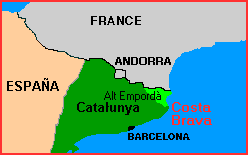
To the north the Pyrenees form a natural frontier with France. To the east
there is the Mediterranean, with many popular tourist resorts on one of the
most beautiful coastlines in the Iberian Peninsula.
|
The Costa Brava has a unique coastline: only here can we find such beautiful
small coves formed by the effect of sea erosion on different types of granite.
Inland, the rivers Fluvià and Muga water a fertile agricultural plain. The marshes formed at the mouths of these rivers, are included in the famous Aiguamolls de l'Empordà Natural Park, whose 4783.5 hectares form the second largest marsh area in Catalonia. The Aiguamolls are a regular stopping place for many species of migrating birds. Special mention must be made of the Cap de Creus, a peninsula of outstanding natural beauty. The Alt Empordà has a Mediterranean climate, with rain in Spring and Autumn. A climatic feature of the area is a frequently strong and gusty north wind called the Tramuntana. This wind causes the sky to be almost permanently cloudless, giving the daylight a special clarity throughout the Alt Empordà.
 |
| Modus vivendi | Art and artists |
The main economic activity is tourism and the leisure industry. There are
wonderful beaches, marinas and many quality hotels, restaurants and 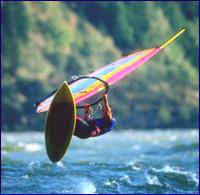
campsites, all of these in towns and villages which are themselves well worth
visiting.
|
There are many dolmens scattered throughout the Alt Empordà. Historic
buildings include the monastery at Sant Pere de Rodes (9th. and 10th.
century), which is a National Listed Building and one of the most important
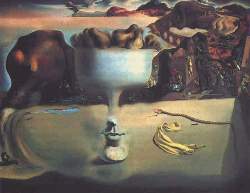
medieval ruins in the Iberian Peninsula. In Roses there is a citadel which was built by Charles V, and in which can be seen ruins of the ancient Greek settlement of Rhode. Castelló d'Empúries is noted for its Gothic cathedral. The fine castle at Peralada has been converted into a casino, and also houses the Wine Museum. Among many other attractions, mention must also be made of the Benedictine Abbey at Sant Quirze de Colera, Requesens castle and the castle of Sant Ferran (Figueres), which is the second largest fortress in Europe. Many citizens of the Alt Empordá have gained international fame, including Salvador Dalí, born in Figueres in 1904, who many years later (1974) was to found his famous museum. Narcís Monturiol, born in Figueres in 1819, experimented successfully with the submersible craft which later came to be called submarines. The first was the Ictineo, built in 1864. Other names to remember are Ramon Muntaner, a medieval chronicler born in Peralada, Victor Català, pseudonym of Caterina Albert, a writer from l'Escala, Angel Planells, a painter born in Cadaqués in 1901, and Albert Boadella, the director of the Joglars theater group.
|
 Your house in the best place
Better for iEXPLORER 5.x (800x600 - 64k colors).
|
